Hedge Trimming Forest Gate: Recycling and Sustainability Promise
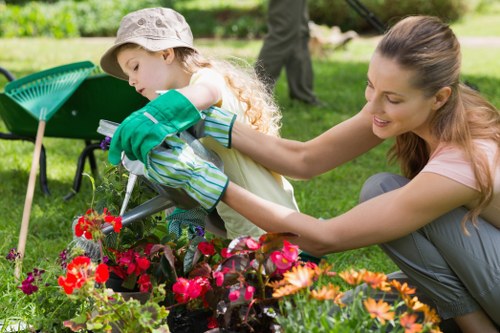 Hedge Trimming Forest Gate is committed to sustainable hedging and an eco-friendly waste disposal area for the whole community. This statement outlines how our Forest Gate hedge trimming services reduce landfill, support a circular approach to green waste, and align with the borough's approach to waste separation. We set out our targets, partnerships, and operational choices so residents can see how local hedging work contributes to greener streets and healthier soils.
Our immediate recycling percentage target is 65% of all garden and hedge waste diverted from landfill within the next 12 months, rising to 75% in year two. To achieve this we prioritise on-site segregation of materials, maximising reuse through chipping and composting, and ensuring that any residuals are taken to authorised transfer stations rather than general waste facilities. This target complements borough recycling practices that encourage separate streams for food, garden, glass and mixed dry recycling.
 We operate a clear route from kerbside pickups to local transfer stations and community hubs. Our low-carbon vans collect cuttings and transport them to designated facilities that accept garden waste and green material from the London boroughs, following local guidance on waste separation and recycling. By coordinating with municipal drop-off points and licensed transfer stations we keep material moving into composting or reprocessing chains rather than into landfill.
Sustainable Rubbish Gardening Area and Best Practices
Creating a sustainable rubbish gardening area means thinking beyond removal: it means reuse, energy-efficient collection and community benefit. We prioritise activities that close the loop, such as chipping branches to produce mulch, segregating soil and stones for reuse on site, and composting leaves and fine prunings. Forest Gate hedge trimming becomes an opportunity to enhance local ecology when green waste is recycled back into the landscape.
Our practical recycling activities reflect what residents expect from borough services. Typical streams we work with include:
- Paper and card separated for municipal recycling collections
- Glass and containers consolidated for bottle banks or kerbside pickup
- Food and garden waste diverted to council or community composting schemes
- Woody debris chipped and used as mulch or fuel for biomass partners
 To limit transport emissions we use a fleet of low-carbon vans and route optimisation software. These vehicles are either electric or Euro 6 ultra-low emission models where charging infrastructure is limited. Low-carbon vans reduce our operational footprint and mean our Forest Gate hedging services contribute less to neighbourhood traffic pollution and noise.
Partnerships, Charity Links and Community Recycling
We maintain long-term partnerships with local charities and community projects that accept seasonally useful materials. Branches and timber suitable for reuse are offered to community allotments, wildlife trusts and local woodworking social enterprises. Hedge trimming in Forest Gate can supply mulch for community gardens and substrate for raised beds, helping local groups cut their own waste management costs while improving soils.
Working with charities also includes coordinated drop-off days and transfer of clean green material for educational composting programmes. These collaborations help divert material from the waste stream and also support social outcomes — from community growing projects to skills programmes that repair and repurpose timber and garden structures.
We track the amounts donated, reused, and sent for composting so that every season we can report progress toward our recycling goals. Emphasising transparency, we publish summary figures for diverted tonnes and estimate carbon savings from reduced transport and landfill methane emissions.
 Local transfer stations are central to our operational model: they accept segregated green waste and feed licensed composting facilities or biomass processors. We ensure materials are unloaded and recorded at authorised sites, meeting borough compliance and enabling higher recycling percentages. Our crews are trained to separate loads on site, reducing contamination and increasing the value of material for reprocessing.
We also offer practical support to residents who want a sustainable rubbish gardening area at home: advice on creating a small compost bay, using chipped hedge trimmings as mulch, and storing green waste so it remains useful rather than contaminated. Forest Gate hedging services aim to leave gardens in a condition that promotes healthy regrowth and low-maintenance planting, rather than producing mixed rubbish piles that require extra handling.
 In conclusion, our approach to van fleets, transfer station use, and charity partnerships ensures Hedge Trimming Forest Gate is not merely a maintenance service but a contributor to local sustainability. By meeting and exceeding a 65% diversion target in the first year, working with borough recycling streams, and supporting community reuse projects, we help create resilient green spaces and a circular approach to garden waste. Choose sustainable hedging services and be part of the local effort to reduce waste, lower carbon emissions, and restore nutrients back into Forest Gate's urban soils.