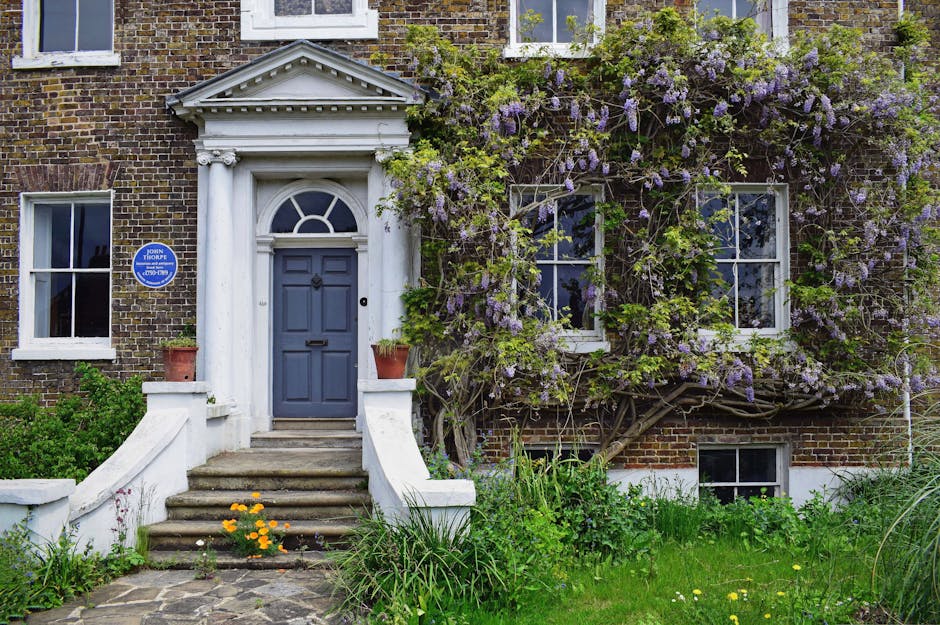
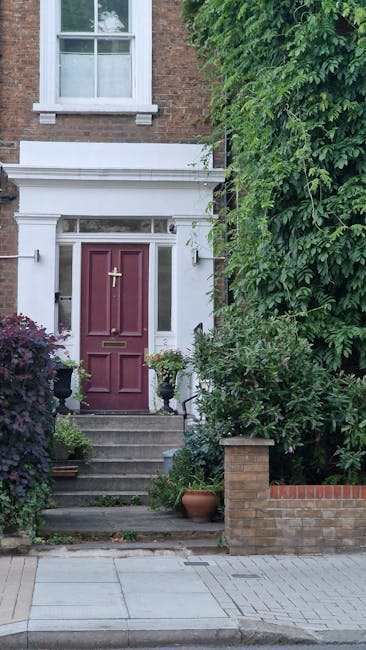
Wanstead Flats front garden tips from local gardeners
If you live near Wanstead Flats, you already know the front garden has a slightly different job to do than a back garden. It faces the street, catches the weather, and sets the tone for the whole house before anyone even reaches the door. The best Wanstead Flats front garden tips from local gardeners are not about flashy makeovers. They are about making a space look cared for, work hard through the seasons, and suit a bit of East London reality: shaded paths, passing foot traffic, clay-heavy soil in some spots, and the usual mix of wind, rain, and a dry spell when you least expect it.
To be fair, that is exactly why local advice matters. A gardener who knows this part of London will usually steer you away from fragile planting that sulks after a cold snap, or a layout that looks lovely in spring and then feels messy by October. In this guide, you will find practical front garden ideas, planting tips, maintenance habits, and a few grounded decisions that can save time and money. If you are planning a tidy refresh, a more welcoming entrance, or a low-maintenance scheme that still has character, you are in the right place.
You may also find it useful to explore related local services such as general gardening services, lawn care, hedge cutting, and pressure washing if your front approach needs a broader tidy-up as well.
Table of Contents
- Why Wanstead Flats front garden tips from local gardeners Matters
- How Wanstead Flats front garden tips from local gardeners Works
- Key Benefits and Practical Advantages
- Who This Is For and When It Makes Sense
- Step-by-Step Guidance
- Expert Tips for Better Results
- Common Mistakes to Avoid
- Tools, Resources and Recommendations
- Law, Compliance, Standards, or Best Practice
- Options, Methods, or Comparison Table
- Case Study or Real-World Example
- Practical Checklist
- Conclusion
- Frequently Asked Questions
Why Wanstead Flats front garden tips from local gardeners Matters
A front garden is not just decorative. It affects first impressions, drainage, access, privacy, safety, and the day-to-day mood of coming home. Around Wanstead Flats, where many homes sit close to open green space and busy local streets, the front garden often has to balance softness with structure. It needs to look good without becoming a maintenance burden.
Local gardeners tend to think in practical layers. They look at how much sun the front receives, whether the soil holds water after rain, how exposed the plot is to wind, and how people actually move through it. That last part gets missed surprisingly often. A path that is one metre too narrow, or a hedge that blocks the sightline, can turn a pleasant entrance into a daily annoyance. And nobody wants that.
There is also the wider neighbourhood feel. Wanstead and the streets around Wanstead Flats have a mix of period homes, family houses, and newer refurbishments, so front gardens often need to feel tidy, welcoming, and quietly individual. Not overdone. Just right. A good local gardener knows how to create that balance.
For homeowners, landlords, and even older residents who want something lower effort, the value is simple: a better-looking entrance with less stress. That may sound obvious, but in practice it makes a big difference. It can also reduce rushed weekend jobs that never quite get finished.
Expert summary: the best front gardens near Wanstead Flats usually succeed because they are designed for real life first and appearance second. The appearance follows naturally when the structure, plants, and maintenance plan all fit the site.
How Wanstead Flats front garden tips from local gardeners Works
The basic approach is straightforward. A local gardener starts by reading the site, then chooses a layout and planting scheme that suits it. In practice, that usually means asking a few unglamorous questions before any digging begins. Where does water sit after rain? Is the soil heavy or free-draining? Does the garden face north, south, or a slightly awkward angle that gets sun in the morning but shade by afternoon?
Once those conditions are understood, the design becomes easier. A front garden near Wanstead Flats often works best when it has three things: clear boundaries, durable planting, and simple access. Clear boundaries might mean edging, low hedging, or even a change in paving texture. Durable planting usually means shrubs, perennials, and bulbs that can handle London conditions without constant fuss. Simple access means paths, bins, gates, and steps all remain easy to use.
There is a rhythm to good front-garden work. First the hard edges are sorted, then the planting is layered in. Not the other way around. A garden can be full of lovely plants, but if the path floods or the front step stays slippery, the whole thing feels unfinished.
In many cases, local gardeners also think about seasonal resilience. A front bed that looks tidy in April but bare and scruffy in January is only doing half the job. So they often recommend evergreen structure, a few long-season perennials, and surface finishes that age well. That is the quieter art of it, really.
Key Benefits and Practical Advantages
There are several reasons people keep coming back to front-garden improvements rather than putting all their effort into the back garden. In a street-facing space, every change is visible, and the rewards tend to show up quickly.
- Better kerb appeal: A neat, balanced front garden makes the house look cared for without needing constant attention.
- Lower maintenance: The right planting reduces weekly jobs, especially during busy seasons.
- Improved drainage and safety: Better surfaces and layout can reduce puddling, mud, and slippery approaches.
- More privacy: Carefully placed hedging or planting can soften the view from the street without blocking light.
- Stronger seasonal interest: You can have colour in spring, shape in winter, and structure all year.
- Practical use of space: A modest plot can still hold storage, bin screening, planting, and a welcoming path if planned well.
Another overlooked benefit is psychological. A tidy front garden changes how you feel when you arrive home in the evening. You notice the clipped edge, the scent from a shrub after rain, the light on the doorway. Small thing, maybe. But not really. It adds up.
If you are already thinking about a more complete garden refresh, combining front garden work with regular garden maintenance or targeted tree surgery can make the whole property feel more settled and easier to manage.
Who This Is For and When It Makes Sense
This kind of guidance is useful for more people than you might expect. It is not just for homeowners with a large Victorian frontage or people planning a full redesign. In truth, front-garden improvements are relevant whenever the entrance feels untidy, underused, or harder to manage than it should be.
- Homeowners who want a better-looking approach without creating weekly gardening chores.
- Landlords who need the exterior to look presentable and well kept.
- Older residents who want safer access and less bending, pruning, or watering.
- Busy families who need low-fuss planting and clear paths for prams, bins, or bikes.
- People preparing to sell who want the front of the house to make a stronger first impression.
It makes sense to act when you notice one or more of these signs: the bed is overgrown, the path is slipping out of control, the hedge blocks light, or the space feels a bit anonymous. You do not need a grand redesign. Often, a focused improvement does the job much better.
There is also a good moment after winter, when you can see what survived the cold and what did not. Early spring is often when people in this area start noticing the bones of the garden again. That is usually the right time to make a plan. Calmly, without panic buying three trays of plants on a Saturday afternoon. We have all been there.
Step-by-Step Guidance
1. Start with the space as it really is
Walk the front garden in daylight and notice what happens at street level. Where do you step first? Which corner stays damp? Does the postman have a sensible route, or is everything squeezed? A quick sketch helps. You are looking for the actual shape of the problem, not the version you imagine after a tidy-up.
2. Clear, prune, and define the edges
Before planting anything new, remove clutter, dead growth, broken pots, and tired edging. Then define the perimeter. That might mean crisp lawn edges, low hedge lines, or simple gravel and paving borders. Good edges make even a small front garden feel intentional.
3. Sort drainage and surface conditions
If the garden turns muddy or pools after rain, fix that before adding decorative planting. Local gardeners often recommend checking whether the soil needs improvement or whether the surface needs better run-off. Sometimes a modest change, like regrading a path edge or improving the soil structure, makes everything else work better.
4. Choose a planting structure first
Pick the bigger, backbone plants before filling gaps. In many Wanstead Flats front gardens, that means a mix of evergreen shrubs, compact ornamental plants, and perhaps one or two seasonal stars. You want year-round shape, not just a short burst of colour.
5. Add seasonal interest in layers
Once the structure is in place, add bulbs, perennials, and possibly container planting near the entrance. Layering gives the garden depth. A single row of bedding plants can look flat; a layered front garden feels much more alive. A bit of spring colour, then summer texture, then winter form. That kind of thing.
6. Make maintenance easy on purpose
Leave enough room to prune, sweep, and water comfortably. Choose materials that are easy to clean. Avoid planting too tightly around gates, walls, or drains. If access is awkward, the garden becomes annoying fast, and then it gets neglected. Simple as that.
7. Review after the first season
After a full year, you will see what thrives and what does not. Maybe a plant gets too much shade. Maybe the front bed needs a sharper edge. Maybe the path could be widened. That review stage is where a good garden becomes a better one.
Expert Tips for Better Results
Local gardeners often learn the hard way what works and what looks good only on paper. Here are a few of the details that make a real difference.
- Use evergreens for structure: A few well-chosen evergreens keep the front garden looking composed through winter.
- Keep planting restrained near the doorway: A busy threshold can make the entrance feel cramped. Let the front door breathe.
- Think about sightlines: If the path curves, keep plants low near bends so people can move safely and comfortably.
- Mix textures, not just colours: Leaf shape, height, and form often matter more than a quick splash of flowers.
- Use containers sparingly: One or two strong pots can work beautifully. Too many can start to feel cluttered very quickly.
- Plan for wet and dry spells: London weather likes a joke. One week it is soaking, the next it is dusty. Pick plants that can cope.
A small front garden is usually better served by restraint than by packing everything in. That can be hard to accept when the nursery is full of tempting plants and every label says "easy to grow." Easy in one garden may be chaos in another. Truth be told, the local conditions matter more than the marketing.
If you need a fresh start rather than a light tidy, combining planting with weed control and jet washing can lift the whole entrance without turning it into a full rebuild.
Common Mistakes to Avoid
Even a modest front garden can go wrong in predictable ways. The good news is that most of the problems are avoidable once you know what to look for.
- Choosing plants for looks alone: Pretty plants that dislike shade, wind, or heavy soil will soon struggle.
- Blocking the entrance: Overgrown shrubs or awkward containers can make the space feel smaller and less safe.
- Ignoring drainage: A damp front garden can become muddy, slippery, and harder to maintain.
- Using too many competing materials: Too much gravel, too many colours, too many edge types. The eye gets tired.
- Forgetting maintenance access: If you cannot prune, sweep, or water comfortably, the design is working against you.
- Copying a style that suits a different house: A scheme that looks great in a Chelsea courtyard may feel out of place or impractical near Wanstead Flats.
One subtle mistake is not leaving enough space for growth. A young shrub can look tiny in year one, then suddenly become a thing with opinions. Give it room. You will thank yourself later.
Tools, Resources and Recommendations
Good front-garden work does not need an enormous toolkit, but having the right basics makes the job smoother. If you are doing light maintenance yourself, these are the practical essentials:
- sharp secateurs for deadheading and light pruning
- spade or border fork for soil improvement and planting
- hand trowel for containers and small beds
- garden shears for edging and shaping
- hose or watering can for new planting
- stiff broom for paths and hard surfaces
- gloves and knee pads if you are working at ground level for a while
For planning, a rough sketch of the front area is surprisingly useful. Mark the doorway, path, bins, gate, drain covers, and any awkward corners. That one sheet of paper can prevent a lot of muddled decisions later.
If you are bringing in help, look for gardeners who can explain their thinking clearly. The best ones do not just say "we'll tidy it up." They talk about drainage, plant suitability, seasonal interest, and how much maintenance the scheme will need. That is the sort of conversation you want.
And if your entrance needs broader care, the following pages may help you plan the job as a whole: our team, garden design, and turf laying.
Law, Compliance, Standards, or Best Practice
Front gardens in London can involve more than planting decisions. Depending on what you want to change, you may need to think about access, boundaries, drainage, conservation concerns, or whether any hard landscaping affects the way water leaves the property. It is always wise to check local requirements before making structural changes, especially if you are altering walls, driveways, dropped kerbs, or shared access.
If the front garden is part of a leasehold property, shared frontage, or a managed estate, there may also be rules about what can be changed and who is responsible for maintenance. That is not the exciting part, granted, but it matters. A quick review before work starts can save frustration later.
From a best-practice perspective, the aim is simple: keep the entrance safe, usable, and appropriate for the property. Paths should be stable and sensible underfoot. Planting should not obstruct visibility where that would be a problem. Water should not be directed where it causes nuisance. Those principles are common sense, but they also reflect the way experienced gardeners work.
For homes near roads or footpaths, it is also sensible to think about overhanging growth, trip hazards, and how damp surfaces behave in winter. Moss on a shaded front step can become slick fast. A small cleaning and maintenance routine often avoids bigger issues. Nothing dramatic. Just regular attention.
Options, Methods, or Comparison Table
If you are deciding how to improve a front garden near Wanstead Flats, it helps to compare the main approaches. Not every garden needs the same level of intervention.
| Approach | Best for | Pros | Trade-offs |
|---|---|---|---|
| Light tidy and refresh | Gardens that are basically sound but messy | Quick, cost-conscious, improves kerb appeal fast | Won't fix structural issues or poor drainage |
| Low-maintenance redesign | Busy households and older residents | Less upkeep, better year-round structure | Needs careful plant selection and a clearer plan |
| Full front-garden makeover | Problem plots or major style changes | Best for long-term transformation and usability | More time, more planning, potentially more disruption |
| Planting-only upgrade | Front gardens with good paving and layout already in place | Affordable, flexible, easy to adjust over time | Won't solve access or surface problems |
In our experience, many homeowners near Wanstead Flats get the best value from a hybrid approach: keep the hard landscaping sensible, then use planting to soften and lift the space. That usually feels more natural than ripping everything out. Also, less chaos. Which, after a long week, is no bad thing.
Case Study or Real-World Example
A typical local example might be a modest terraced house with a small front plot, a narrow path, a tired hedge, and a couple of overgrown shrubs hiding the window. The owners want the house to look more welcoming, but they do not want a high-maintenance showpiece.
The first step would be to clear away the dead material, reduce the hedge to a sensible height, and open the entrance visually. Then a local gardener might introduce a restrained planting scheme: one evergreen for year-round shape, a couple of long-flowering perennials, some spring bulbs, and a container or two by the front step. If the soil is compacted, it would be loosened and improved before planting. If the path is green with algae or dirt, a proper clean would make a big difference.
The result is not dramatic in the glossy-magazine sense. It is better than that. The house looks cared for, the path is easier to use, and the front of the property feels lighter and more open. On a dull January morning, that matters more than people think. The garden still has personality, but it is no longer shouting for attention.
This is the sort of project where planting services and patio and driveway cleaning can work hand in hand, especially when the entrance itself is part of the overall impression.
Practical Checklist
Use this simple checklist before starting your front-garden update:
- Assess sun, shade, wind, and drainage
- Clear dead plants, weeds, and clutter
- Check the path, step, and gate access
- Decide whether the garden needs a refresh or a redesign
- Choose a few backbone plants before filler plants
- Make sure planting will not block doors or windows
- Leave room for maintenance and seasonal growth
- Use containers only where they truly help the design
- Consider cleaning surfaces if moss, dirt, or algae are present
- Review the layout after the first growing season
Quick takeaway: if you only remember one thing, make it this - a front garden near Wanstead Flats should be easy to live with, not just pleasant to look at. If it feels awkward to maintain, it will not stay looking good for long.
Conclusion
The most effective Wanstead Flats front garden tips from local gardeners are grounded in the site, the seasons, and the way people actually use their homes. A strong front garden does not need to be elaborate. It needs to be practical, well-shaped, and suited to local conditions. That usually means careful planting, tidy edges, sensible access, and a plan that respects the realities of London weather and busy daily life.
Whether you want a small refresh or a more complete front-garden overhaul, the smartest move is to start with the basics and build from there. Get the structure right, choose plants that will behave themselves, and leave enough room for maintenance. It is simple advice, but it works. And when it all comes together, the whole place feels calmer, friendlier, more yours.
If you are ready to improve your front garden, speak to a local gardener who understands the area and can help turn a difficult entrance into something solid, attractive, and easy to keep that way.
Get a free quote today and see how much you can save.
Frequently Asked Questions
What are the best front garden ideas for homes near Wanstead Flats?
The best ideas are usually the ones that balance neat structure with low maintenance. Evergreen shrubs, restrained planting, clean edging, and a clear path tend to work well. If the garden is small, avoid overcrowding it. A simple, tidy layout often looks better than a busy one.
How do local gardeners choose plants for a front garden in this area?
They usually start with the site conditions: shade, sun, wind exposure, and soil type. Around Wanstead Flats, plants that cope well with typical London weather and variable soil conditions are often the safest bet. The goal is to choose plants that will still look decent after a wet winter and a dry spell. Not just in May.
Can I make a front garden low maintenance without making it boring?
Yes, absolutely. The trick is to use structure, texture, and a small number of well-chosen plants. A low-maintenance garden can still feel lively if you mix leaf shapes, heights, and seasonal interest. You do not need a lot of plants to make a nice effect.
What should I avoid planting in a small front garden?
Avoid anything that grows too large for the space, blocks the entrance, or needs constant care. Fast-growing shrubs can look great at first and then become a headache. Also be cautious with plants that hate shade or waterlogged soil if your site is exposed to those conditions.
How often should a front garden be maintained?
Light maintenance is best done little and often. That might mean a quick tidy every week or two in the growing season, with a bigger cut-back or clear-out every few months. A front garden can go from neat to messy quite fast if it is ignored, especially after a bit of rain.
Do front gardens near Wanstead Flats need special drainage work?
Not always, but drainage should be checked if the garden gets muddy, puddles form, or surfaces become slippery. Sometimes the issue is soil structure, sometimes the layout of the path or bed. A local gardener can usually tell whether it is a plant issue or a surface issue. Often it is a bit of both.
What is the easiest way to improve kerb appeal quickly?
Start with the most visible things: sweep and clean the path, remove dead growth, trim hedges, and tidy the edges. Then add a few healthy plants or pots near the entrance. You would be surprised how much cleaner the whole property can look after a one-day tidy-up.
Are containers a good idea for front gardens?
Yes, if they are used sparingly. Containers can add colour near the entrance and make a front garden feel more welcoming. But too many pots can make the area cluttered and harder to maintain. One or two strong containers are usually enough.
How do I know whether my front garden needs redesigning or just tidying?
If the main problem is mess, overgrowth, or tired planting, a tidy and refresh may be enough. If the path is awkward, the layout feels cramped, or drainage and access are issues, a redesign is probably wiser. A good gardener will usually point out which parts are cosmetic and which parts are structural.
Can front garden improvements affect property value or buyer appeal?
They can improve first impressions, which matters a lot when someone arrives at the house. A tidy, welcoming frontage suggests that the property has been looked after. That does not guarantee a sale result, of course, but it helps set the right tone. And first impressions are sticky, in the best and worst ways.
Do I need permission for front-garden changes in London?
Sometimes, depending on the type of work. Simple planting and tidying usually do not raise issues, but larger changes to driveways, boundaries, access, or drainage may need to be checked carefully. If you are unsure, it is best to confirm before work begins rather than after. That avoids awkward surprises.
What should I ask a local gardener before hiring them?
Ask how they would assess the site, what plants they would recommend, how much maintenance the design will need, and whether they have experience with similar front gardens in the area. A clear answer matters more than a fancy portfolio. You want someone who understands the practical side as well as the look of the thing.