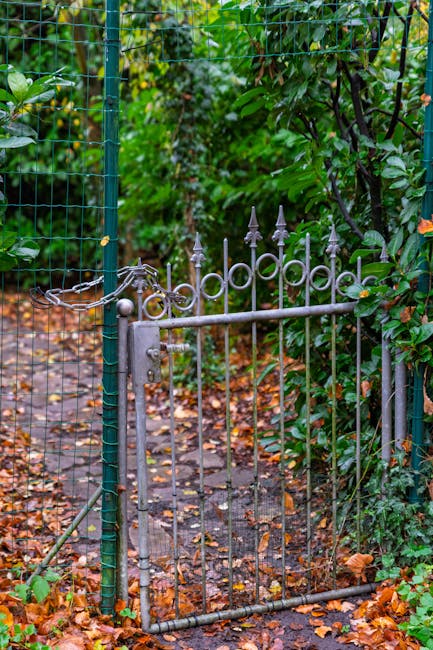
Emergency garden clearance Forest Gate same day gardeners E7
If your garden has tipped from "a bit untidy" into full-blown chaos, you are probably not looking for theory. You want the mess gone, and you want it gone today. That is exactly where Emergency garden clearance Forest Gate same day gardeners E7 comes in. Whether it is storm damage, an overgrown front or back garden, dumped waste, broken branches, or a rental property that needs turning around fast, same-day clearance is about restoring control quickly and safely.
In a place like Forest Gate, where homes often have compact outdoor spaces and neighbours are close by, the pressure builds quickly. One blocked path or a pile of hedge cuttings can make a garden feel unusable. This guide walks through how emergency garden clearance works, what to expect, who it suits, the mistakes to avoid, and how to choose a practical route forward. No fluff. Just the useful bits, explained plainly.
Practical takeaway: emergency garden clearance is not just about tidying. It is about removing risk, improving access, and getting the space back to a usable state as quickly as possible.
Table of Contents
- Why Emergency garden clearance Forest Gate same day gardeners E7 Matters
- How Emergency garden clearance Forest Gate same day gardeners E7 Works
- Key Benefits and Practical Advantages
- Who This Is For and When It Makes Sense
- Step-by-Step Guidance
- Expert Tips for Better Results
- Common Mistakes to Avoid
- Tools, Resources and Recommendations
- Law, Compliance, Standards, or Best Practice
- Options, Methods, or Comparison Table
- Case Study or Real-World Example
- Practical Checklist
- Conclusion
- Frequently Asked Questions
Why Emergency garden clearance Forest Gate same day gardeners E7 Matters
Emergency clearance matters because neglected outdoor areas can create immediate problems, not just visual ones. A garden packed with brambles, fallen limbs, wet leaf build-up, broken fencing, or dumped bags can become hard to move through and awkward to manage. In wet weather, it gets worse. Things slip, rot, or simply become a nuisance. And in London, nuisance has a habit of turning into a bigger issue fast.
For homeowners, landlords, letting agents, and businesses in E7, speed is often the main reason to call for same-day help. A property might be going on the market. A tenant may be moving out. A branch might have come down after a gusty night and is now hanging over the path. Or maybe the front garden is so overgrown you cannot even get to the bins without doing a small bushwhack. Not ideal, to be fair.
There is also the safety side. Trip hazards, unstable piles of waste, hidden glass, sharp cuttings, and blocked access routes all create avoidable risk. Good emergency garden clearance is not just about making things look neat. It is about making the space safe enough to use again.
If the job needs to be done alongside ongoing upkeep, a service such as garden maintenance can help stop the same problem from coming back two weeks later. And if the job is part of a wider outdoor overhaul, it may make sense to look at services overview options too, so the space is not only cleared but properly set up afterwards.
How Emergency garden clearance Forest Gate same day gardeners E7 Works
Same-day clearance is usually more straightforward than people expect. A decent team will aim to understand the problem quickly, assess what can be done safely, and start clearing in a practical order. The usual sequence is simple enough, even if the garden itself is not.
1. Quick assessment
First comes a short conversation about the size of the job, the type of waste, access to the garden, and whether anything is hazardous. If there is a fallen tree, unstable fence panel, or something that looks unsafe to move, that needs to be mentioned immediately. A rushed job still has to be a controlled job.
2. Prioritising access and danger points
In many emergency clearances, the first target is not the whole garden. It is the path, side return, rear gate, steps, or any area that blocks access. Clearing these pinch points quickly gives everyone room to work and helps reduce further damage. It also makes the whole job feel less overwhelming. You know that moment when the worst-looking pile is suddenly no longer in the way? Small relief, but real relief.
3. Cutting, collecting, and separating material
Garden waste can include green cuttings, branches, soil, timber, old pots, damaged furniture, and general rubbish. A good team will separate what can be reused, chipped, composted, or taken away for proper disposal. Heavy or awkward items may need manual handling, so experience matters here. No one wants a quick fix that turns into scratched walls or a crushed planting bed.
4. Loading and removal
Once material is gathered, it is loaded and removed from the site. If the clearance is large, this may happen in stages so the garden remains workable. The main thing is that waste does not get left in a half-finished state unless the job scope specifically allows it.
5. Final tidy and safety check
Before finishing, the area should be checked for missed debris, loose branches, thorny cuttings, and any obvious hazards. This part matters more than people think. A garden can look clear at a glance and still have hidden bits under damp grass or leaf litter.
If the clearance involves larger shrubs, saplings, or awkward woody growth, related work such as tree lopping and removal may be needed. For overgrown hedges that are spilling into paths or boundary lines, hedge trimming can be part of the same visit if planned properly.
Key Benefits and Practical Advantages
There is a reason same-day garden clearance remains popular. It solves multiple problems at once, and often faster than people can manage themselves over a weekend with a few sacks and a pair of gloves.
- Immediate safety improvement: paths, steps, and entrances become easier to use.
- Better access: bins, sheds, garages, and rear entrances are no longer blocked.
- Reduced stress: a messy garden can sit in the back of your mind all day; clearing it brings a bit of calm back.
- Property presentation: useful for lettings, sales, inspections, or family visits.
- Less chance of pest attraction: piled waste and damp organic material can invite unwanted visitors.
- Room for follow-up work: once the space is clear, it is easier to mow, reshape, replant, or repair.
Another quiet benefit is momentum. A cleared garden is much easier to maintain than a neglected one. You can actually see the next step, which is half the battle. From there, services like lawn mowing or even longer-term landscaping become realistic rather than aspirational.
And if you are trying to make sense of cost, scope, or what is included, a quick look at pricing and quotes can help you ask better questions before work begins.
Who This Is For and When It Makes Sense
Emergency clearance is not only for dramatic storms or major overgrowth. It is also for the everyday situations that suddenly become urgent. The job makes sense when speed matters more than waiting for a routine appointment.
Common situations
- After bad weather: branches down, leaves everywhere, broken planters, or moved fencing.
- Before a property viewing: the garden needs to look presentable, fast.
- End-of-tenancy turnarounds: landlords and agents often need the space safe and tidy for the next stage.
- Overgrown access routes: a side path or rear gate is becoming difficult to use.
- Dumped waste: bags, furniture, green waste, or mixed rubbish left outside.
- Neglected gardens: the area has simply got away from you. Happens more than people admit.
It also makes sense for older homeowners who do not want to wrestle with heavy work, or for anyone with limited time and a deadline looming. If a garden is no longer just untidy but actively getting in the way of everyday life, that is a strong sign to bring in help.
For properties with mixed outdoor issues, a broader local provider can often combine clearance with landscape gardening, or support structural outdoor work through decking services if the space is being reworked rather than merely tidied.
Step-by-Step Guidance
If you are arranging an emergency clearance, a simple process will save time and reduce confusion. Here is the practical version.
- Walk the garden mentally before you call. Ask yourself what is blocking access, what looks dangerous, and what absolutely needs removing today.
- Take a few clear photos if possible. Not glamorous, but useful. Wide shots help explain the scale. Close-ups help show hazards.
- Say what matters most first. If there is a fallen branch on the path or a blocked exit, lead with that.
- Separate urgent from non-urgent work. Some items may wait for a routine visit, but the access route or hazard area should not.
- Check access to the site. Can a team get equipment through the front, side, or rear? Is there parking nearby? Little things like this save time.
- Ask how waste will be handled. You want to know whether green waste, mixed waste, and bulky items will be removed appropriately.
- Confirm the finish level. Is the aim a full clear, a safe cutback, or a clearance ready for later landscaping?
- Plan the follow-up. If the garden has been neglected for a while, schedule maintenance before the problem returns.
A useful rule of thumb: the more clearly you describe the "must-do" parts, the more likely the team can get them done on the same day. A vague request slows everyone down. That sounds obvious, but in real life it is where many delays start.
Expert Tips for Better Results
A fast clearance can still be a smart clearance. The trick is not to chase speed so hard that you lose quality.
Be clear about priorities
If the front path is the issue and the back hedge can wait, say so. Emergency work often succeeds because priorities are blunt and practical. There is no need to make the crew guess.
Ask for a safety-first approach
Sharp tools, heavy loads, slippery ground, and hidden debris are the everyday realities of garden clearance. A careful team will work around these risks instead of steamrolling through them.
Think in layers, not just one-off tidy-ups
If the garden has become unmanageable once, it probably needs a second layer of care afterwards. That could mean routine cutting, hedge shaping, waste control, or simple monthly maintenance. A one-time clearance is useful. A maintained garden is better. Much better.
Do not ignore the weather
Wet grass, soggy soil, and slimy paving can make clearance slower and more awkward. If the weather has turned, the work can still happen, but expect a slightly different pace and some additional caution. Truth be told, that is normal.
Use the clearance as a reset point
Once the mess is gone, take the opportunity to decide what should stay. Do you want more open space, easier mowing, clearer boundaries, or fewer high-maintenance shrubs? That decision helps shape the next phase, whether that is landscaping or a lighter maintenance plan.
Common Mistakes to Avoid
Emergency jobs go badly when people assume the whole thing is simple. Sometimes it is. Often it is not. These are the mistakes that cause trouble.
- Leaving out the important detail: if there is hidden waste, a dead tree, or restricted access, mention it upfront.
- Mixing hazards with normal waste: broken glass, needles, chemicals, or unstable items need extra care and should not be treated like ordinary cuttings.
- Trying to overfill a small visit: one same-day slot can only do so much. Be realistic about scope.
- Assuming every task is included: clearance, pruning, shaping, and disposal may not all be the same job.
- Skipping the aftercare: if the space is left untouched, the mess often comes back faster than expected.
- Choosing only on speed: quick response is valuable, yes, but a rushed, careless job costs more in the long run.
One very common issue is underestimating access. A garden that looks manageable from the front can turn awkward if there is no side entry or if the only route goes through a narrow corridor. That is the sort of detail that matters on the day.
Tools, Resources and Recommendations
You do not need to own professional gear to prepare for a clearance, but it helps to understand what a proper team will typically use. It gives you a better sense of how the job is being handled.
Typical equipment
- Secateurs and loppers for cut-back work
- Pruning saws for thicker branches
- Rakes, brooms, and leaf tools for finer debris
- Wheelbarrows, tubs, or sacks for moving waste
- Brush cutters or trimmers where overgrowth is dense
- Protective gloves, eye protection, and sturdy footwear
- Tarps or covers to protect nearby surfaces and planting
For readers trying to organise a wider outdoor project, it can help to think of clearance as the first stage, not the whole journey. After that, you may need lawn recovery, planting changes, or structural improvements. If the garden will need ongoing attention, garden maintenance is often the most sensible next step. It is the boring answer, maybe, but it works.
It is also worth paying attention to how waste is handled. A business that takes sustainability seriously will usually describe its waste approach clearly. If that matters to you, have a look at recycling and sustainability to understand the general approach behind responsible disposal.
Law, Compliance, Standards, or Best Practice
Garden clearance is not usually a highly technical compliance area, but there are still sensible standards to follow. In the UK, anyone carrying out clearance work should treat safety, waste handling, and property care seriously. That includes protecting workers, neighbours, and the property itself.
For emergency clearance, best practice usually means:
- working within safe access limits
- identifying hazards before lifting or cutting
- using appropriate protective equipment
- separating green waste from general rubbish where practical
- avoiding damage to paths, fences, planting, and hard surfaces
- handling any unknown or risky material cautiously
If a job involves unstable trees, fallen limbs, or anything that could fail under tension, it should be approached conservatively. That may mean bringing in related tree work rather than treating everything as simple garden waste. Related services like tree lopping and removal are relevant where branches or trunks are part of the problem.
It is also sensible to confirm that the provider has a clear approach to insured work and site safety. A straightforward explanation of insurance and safety is a good sign, because it tells you the company has thought beyond the visible mess and into the actual risk.
On top of that, businesses should have transparent terms around scope, payments, and expectations. That is plain good practice, not paperwork for the sake of it. If you want the fine print, terms and conditions and payment and security are worth reading before you agree to anything.
Options, Methods, or Comparison Table
Not every overgrown garden needs the same kind of response. The right method depends on urgency, access, and what is actually in the space. Here is a simple comparison to help you think it through.
| Option | Best for | Strengths | Limitations |
|---|---|---|---|
| Same-day emergency clearance | Blocked access, urgent tidy-up, storm debris, dumped waste | Fast, practical, restores use quickly | May only cover the most urgent work |
| Scheduled full garden clearance | Large neglected gardens, layered overgrowth, bigger waste volumes | More time for thorough work and sorting | Not ideal if the problem cannot wait |
| Clearance plus maintenance | Gardens that keep becoming messy | Improves long-term control and appearance | Needs a follow-up plan |
| Clearance plus landscaping | Spaces being redesigned after removal | Turns a problem space into something usable | Takes more planning and usually more time |
The main decision is simple: do you need the garden safe and usable today, or do you need a broader transformation? If it is the first, keep the focus tight. If it is the second, use the clearance as the opening move, not the final step.
Case Study or Real-World Example
Picture a typical Forest Gate front-and-rear garden after a windy weekend. The front path is partly blocked by fallen branches. The rear area has thick cuttings, damp leaf piles, and a few old pots tipped over near the fence. Nothing dramatic on its own, but together it makes the property feel neglected and awkward to move through.
The homeowner needs the space ready for a family visit the same evening. There is no time for a DIY effort that drags on until dark, and no appetite for turning the job into a three-day saga. So the priority is set: clear the access route first, remove the broken material, gather the green waste, and finish with a safe tidy of the main areas.
What usually makes that kind of job work well is not brute force. It is sequencing. Get the path open. Remove the obvious hazards. Then deal with the rest in a controlled sweep. The garden may not be picture-perfect by the end, but it is usable, safe, and no longer embarrassing when someone knocks on the door. Which, let's be honest, is often what people really need.
That same approach can be extended later. A follow-up visit for lawn mowing and boundary tidying, or a more shaped plan through hedge trimming, helps the space settle into a manageable pattern again.
Practical Checklist
Use this checklist before arranging or receiving emergency garden clearance. It keeps the job focused and helps avoid last-minute confusion.
- Confirm what needs clearing today and what can wait
- Note any unsafe areas, unstable structures, or hidden hazards
- Make sure access points are open if possible
- Remove personal items, toys, tools, and valuables from the garden
- Take quick photos of the problem area for reference
- Decide whether you want a light tidy or a fuller clearance
- Ask how waste will be sorted and removed
- Check whether follow-up maintenance is needed
- Keep pets and children away from the work area during clearance
- Review any terms, payment details, or safety expectations before work starts
If you want a simple next step, start with the most urgent obstruction. Not the most annoying thing. The most urgent one. That little distinction saves time and avoids drift.
Conclusion
Emergency garden clearance in Forest Gate is really about restoring order under pressure. It helps when a garden becomes unsafe, blocked, embarrassing, or simply too much to deal with alone. Same-day gardeners in E7 are most useful when speed, caution, and practical judgement all matter at once. And they usually do.
The best results come from clear priorities, honest communication, and a sensible follow-up plan. Clear the danger points first, deal with waste properly, and think beyond the immediate mess. That way, you are not just tidying a garden for one afternoon. You are setting it up to stay usable.
If you are weighing up options, take a moment to review the wider local service pages, including garden clearance, services overview, and about us so you can choose the right approach with a bit more confidence.
Get a free quote today and see how much you can save.
Sometimes the quickest win is simply getting the garden back to a place where you can breathe again. That is worth doing, really.
Frequently Asked Questions
What counts as emergency garden clearance in Forest Gate?
It usually means any urgent outdoor clearance that cannot wait for a routine booking. That might be fallen branches, blocked access, dumped waste, severe overgrowth, or a garden that has become unsafe or unusable.
Can same-day gardeners in E7 clear a very overgrown garden?
Often, yes, but the result depends on the size of the space, access, and how much work is needed. Very large or heavily tangled gardens may need a phased approach, even if the first visit happens the same day.
What should I tell the gardener before they arrive?
Tell them what is urgent, what type of waste is present, whether there are hazards, and how access works. A few photos help too. Clear information saves time and reduces the chance of surprises.
Is emergency garden clearance the same as garden maintenance?
No. Emergency clearance deals with urgent mess, access problems, or hazards. Garden maintenance is the ongoing care that keeps the space under control after the initial clear-up.
Will the team remove all the waste?
That depends on the agreed job scope, but a proper clearance service should explain what will be taken away. It is sensible to confirm how green waste, bulky items, and mixed rubbish will be handled.
How quickly can emergency clearance usually start?
If same-day availability is offered, work may begin within hours. That said, timing depends on demand, traffic, the size of the job, and whether there are safety concerns that need checking first.
Do I need to be home during the clearance?
Usually, yes, at least at the start, so access and priorities can be confirmed. Some jobs can continue without constant supervision if arrangements are clear, but that is something to agree in advance.
What if the problem includes a fallen tree or large branch?
That is more than standard tidying and may need specialist tree work. If the material is heavy, unstable, or under tension, it should be handled carefully and possibly through a related service such as tree lopping and removal.
How do I know if the quote is fair?
Compare what is included: labour, waste removal, access issues, urgency, and any extra work. A fair quote is usually clear rather than vague. If something is not explained, ask. Simple as that.
Can emergency clearance be combined with trimming or mowing?
Yes, if the job is planned that way and the site conditions allow it. In some cases, garden clearance is followed by hedge trimming or lawn mowing to finish the reset properly.
What if I am preparing a property for sale or letting?
Emergency clearance is often a sensible first step. It helps improve presentation quickly, makes the garden safer for viewings, and creates a better base for any later landscaping or maintenance.
Are safety and insurance important for this kind of work?
Very. Clearance work involves lifting, cutting, moving awkward materials, and dealing with hidden hazards. It is sensible to choose a provider that can explain its approach to safety and insurance in plain English.
What is the best next step if the garden keeps getting out of control?
After the immediate clearance, put a maintenance plan in place. Even a modest routine can stop the garden from swinging back into chaos. A small bit of upkeep goes a long way, honestly.